
Should you visit Madrid
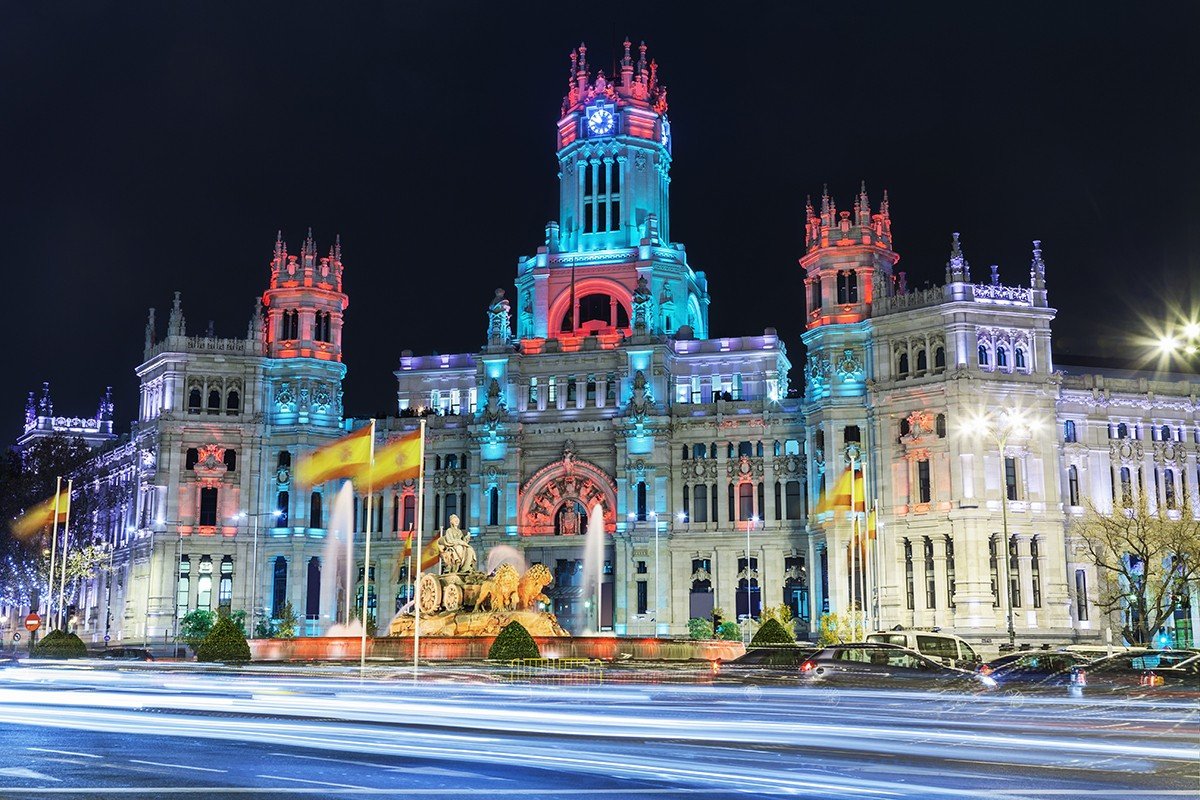
As the capital of Spain, and one of Europe’s most vibrant and leading metropolis’ Madrid offers everything from shopping, fashion, food and fun. With several tourist worthy neighborhoods to stay in and explore, anyone could spend a weeks time with plenty to do. It is also the travel hub for all of Spain, with airlines and trains all going to and through Madrid, making it a very accessible and cost effective city to visit. The Metro is modern, efficient and can get you to all the cities areas. With a wealth of accommodations finding the right one for your budget and needs is easy. However, Madrid has been known to have some of the coldest and hottest days in Spain, so travel in the shoulder seasons is best. Also, as far as tourist events, festivals and architecture, it is not the premier city in Spain for such things. It is a capital city and as such, it is a working city, to be sure.
Should you retire to Madrid
Keeping in mind the comments above, the cosmopolitan city of Madrid offers retirees and ex-pats all the conveniences and services that you can need or want, including great healthcare, top restaurants and shopping and the hub of entertainment, including their own Broadway for plays and music. Transportation via the Metro or taxis and your own car via the excellent roadways is ideal, if not busy during rush hours. And travel from Madrid to anywhere in Spain or the world is easily available via their two train stations and modern airports. With that in mind, as previously noted, it is a working city and as such, tourism and retirement like any large city is not a primary aspect. And like any large city, integrating may be a bit harder, especially for non-Spaniards. That being said, because it is such a large city with many neighborhoods, finding a suitable place to rent or buy is a bit easier than in the smaller, less urban areas where the residents are more likely to stay put.
Spain's capital since 1561, Madrid has been the center of this European country for almost 500 years – longer than some countries have even existed. In many ways, it can be compared to other international capitals – it's Spain's biggest city, has the country's largest population and is the center for international business. But if you look carefully, you might hear the strings of a Spanish guitar, the clicking of a dancer's castanet or the laughter in the cafes and bars. Madrid is for those interested in famous paintings and stunning architecture, but it's also for those looking for art and a taste of life lived with color and intensity.
Like any metropolitan city, Madrid is the center for air and train travel, to just about anywhere in Spain or the world. But like any large city Madrid has its good areas and not so good areas. Knowing which ones to stay at and visit is highly recommended. For those on a typical budget, look for hotels that are reasonably priced within 10-20 minutes walking distance of “Calle Serrano”, also known at the Golden MIle. The shopping, cafes, restaurants and fun are all around including the US Embassy. It’s a 20 minute walk from there to the “Centro” neighborhood which has an amazing park to walk our dine about, Plaza del Rey, and the Madrid Central Park, and the vast El Retiro Park. The area is the center for Madrid’s Broadway theatres including restaurants and shopping galore! Staying around but outside this area is recommended as this area is very busy day and night!
Traveling to Toledo, Segovia or the other towns close or far from Madrid is a quick and low cost adventure, thanks to the Spanish train lines. Just google https://www.renfe.com/to check out the train schedules, Renfe being the largest of the train service providers. The high speed train services are Iryo, https://iryo.eu/and Ouigo, https://www.ouigo.com/es. Keep in mind that other online train ticket sites tack on additional fees and don’t always show all the available options. If in doubt, its best to visit the ticket offices in the train stations during daytime work hours to get your tickets. Madrid's main station is Madrid Atocha. The station is divided into two sections: the high-speed AVE train station is called the Puerta de Atocha in the older part of the station, while the Atocha-Cercanías section has connections to standard-speed trains. The other main station is called Chamartin in the north of Madrid and offers a really quick and low cost direct train to the Madrid airport! Just make sure to always check what train station you need to book at, and make sure you get on the right train based on your trains ticket number. Several trains may go the same way at around the same time! If in doubt, just ask someone.